
Nobody is thinking about autumn at the moment. The sun is out, the jacket is over the back of a chair, and the idea of tweed feels a long way off. I understand it entirely. In sixty years in this trade I have watched the same thing happen every summer.
Then October arrives, the mornings turn, a man reaches into his wardrobe for something with a bit of weight to it, and finds the same jacket he was disappointed by last year.
Here is what I have learnt about the men who are well dressed in autumn. They chose their cloth in July.
The good cloth goes early
A length of cloth is a finite thing. The mills weave a run, the merchants cut it into bunches, and when a particular piece sells through, it is gone until they choose to weave it again. Some of the better patterns never come back at all.
The mills release their autumn and winter collections over the summer, which is precisely when nobody is looking at them. By late September, when everyone starts looking at once, the most interesting pieces have already gone into other men’s jackets.
Weight is the thing most men overlook
Most people choose a cloth by its colour and pattern. The weight matters just as much, and it is the part I spend the most time explaining.
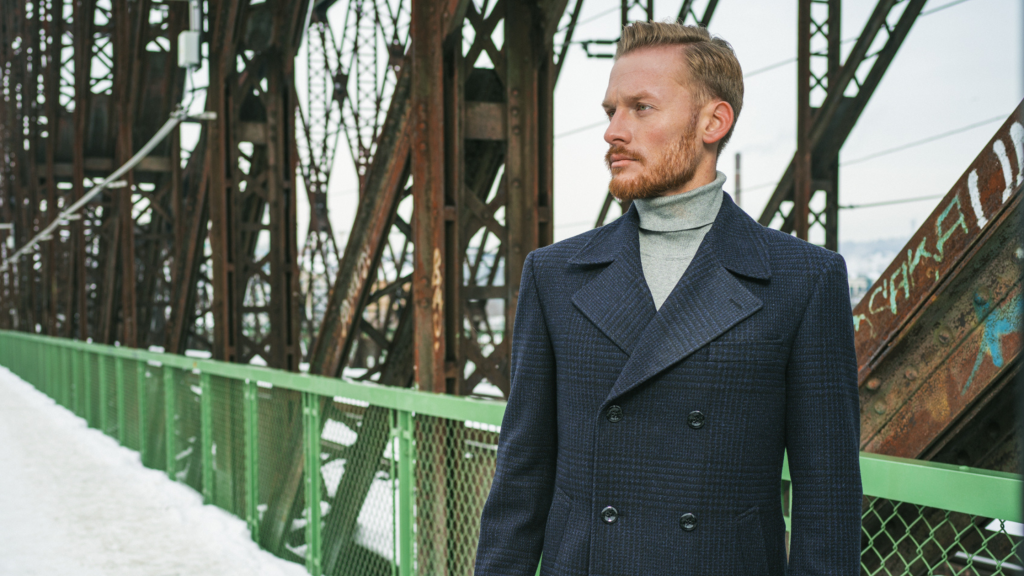
A summer cloth might run to 8 or 9 ounces. An autumn cloth sits nearer 11 or 13, and a proper winter tweed or flannel will be 15 and upwards. The heavier cloth does something the light one cannot. It hangs. It holds its shape through the day, it drapes cleanly from the shoulder, and it forgives a great deal. There is a reason the jackets you admire in old photographs look the way they do.
If you have ever felt that a jacket looked splendid in the shop and limp by four o’clock, the weight was very likely the culprit.
Judge cloth in your own light, not in mine
This is the reason I encourage people to ask for samples rather than choose from a screen.
A photograph of cloth is a photograph of a lighting setup. Greens go grey, browns go red, and the subtlety of a herringbone disappears entirely. Even in a showroom the light is my light, and you will be wearing the jacket in yours.
Take the samples home. Look at them by a window in daylight, which is the only honest light there is. Then hold them against the shirts you actually own, the shoes you actually wear, and the overcoat that will go over the top. That last one catches people out more than anything else.
Autumn is a layered season
A summer jacket goes over a shirt. An autumn jacket goes over a shirt and knitwear, and under a coat. That changes how it needs to be cut and how much room it wants across the chest and through the back.
It is a small consideration, and it is the difference between a jacket you reach for every week and one you wrestle with.
There is no rush, which is rather the point
A jacket made properly takes time, and I would not want it any other way. Choosing in the warm months means you can take a fortnight to live with the samples, change your mind twice, and still have the finished jacket hanging in your wardrobe before you need it.
Choosing in October means choosing quickly, from what is left.
So while the weather is still kind, ask us for a few samples. Put them on the windowsill. See which one you keep picking up.
That one is your autumn jacket.
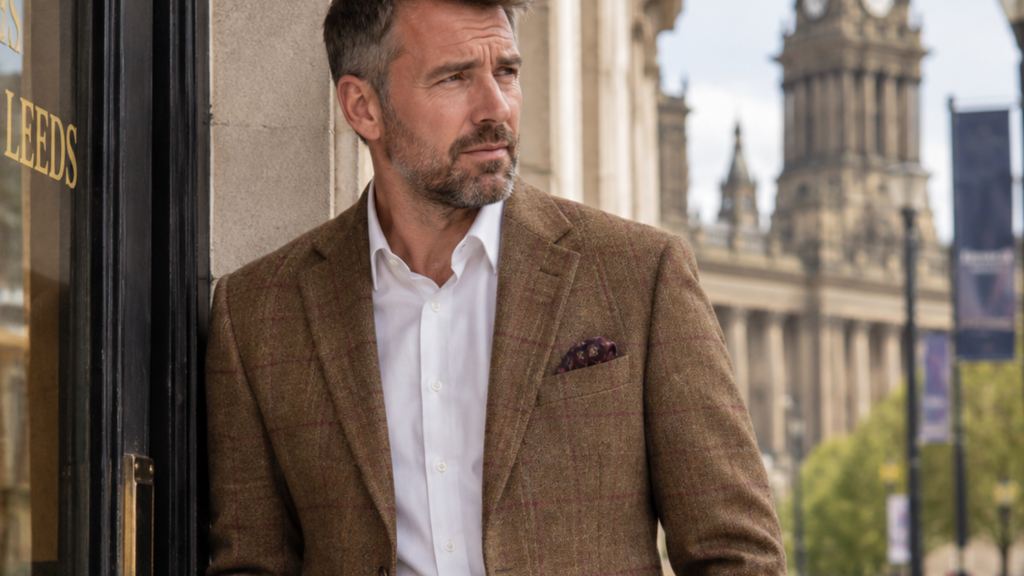
Request your cloth samples at www.alexander-rose.net, or come and see me at the showroom in Leeds.